Welcome to Artist Insight, the series where we interview up-and-coming independent musicians. We take a closer look into their processes and biggest challenges, while also offering readers a new artist to sink their teeth into.
Remember: support indie artists!
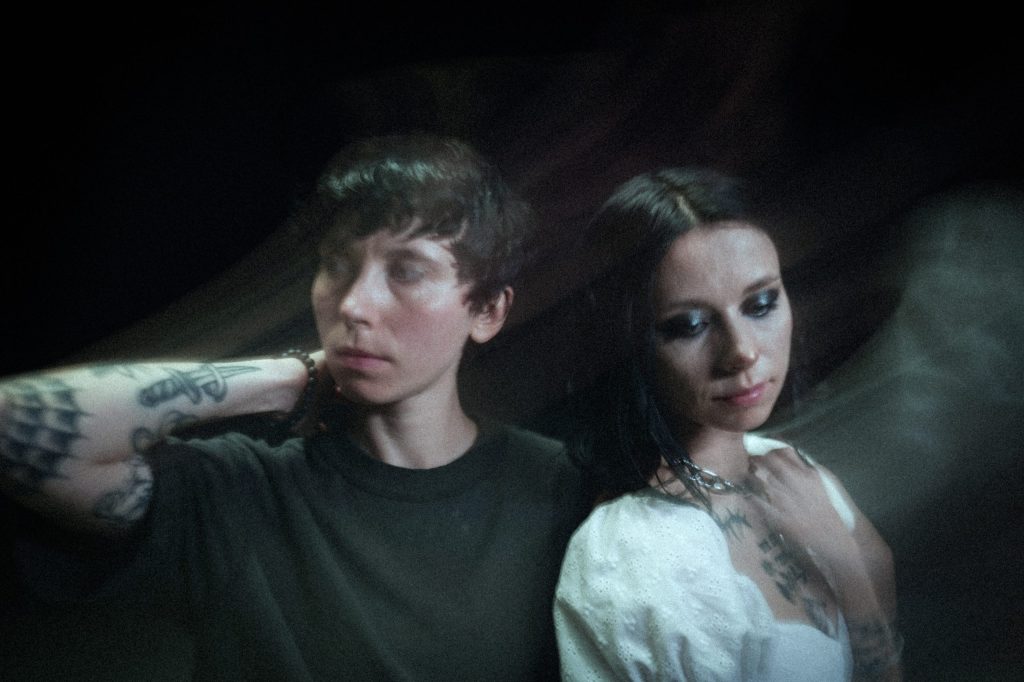
Five minutes with The Austringer.
Describe your songwriting process.
I approach songwriting in a bit of an odd way. As a little kid, I was often told that I had a very overactive and vivid imagination, which stands true today. My mind wanders a lot, usually to places where I invent stories, make up characters and put them in different fantastical situations to see what they do.
I have hundreds of little ideas (sometimes they’re only a sentence long) but my medium is music. There is often a ‘soundtrack’ to these stories somewhere in my head, and I just sit down with a guitar or with a DAW open and try to chip away at my brain to figure out exactly what these stories sound like.
For example, I recently wrote a song that has a kind of ‘old Western train heist’ vibe to it, so there’s the “chugga-chugga” of the train in the rhythm guitar, lots of big, open chords and a tremolo effect on the lead, among other things.
In terms of lyrics, I spend a lot of time reading. I think that helps. Sometimes, you just see a sentence and think, “wow, that’s a good sentence”. I tend to note these down and look at them to figure out why they’re good and how I can build a sentence or phrase that works in a similar way.
I hum and sing nonsense to myself a lot, as well, which sounds insane but it slowly takes shape over the course of a few days and eventually ends up becoming a verse or chorus.
My whole songwriting process is a lot of having vague ideas, and slowly but surely whittling these down to something more as I go about my day. I never ever just sit down specifically to write; it kills my creativity immediately.
What is the album about?
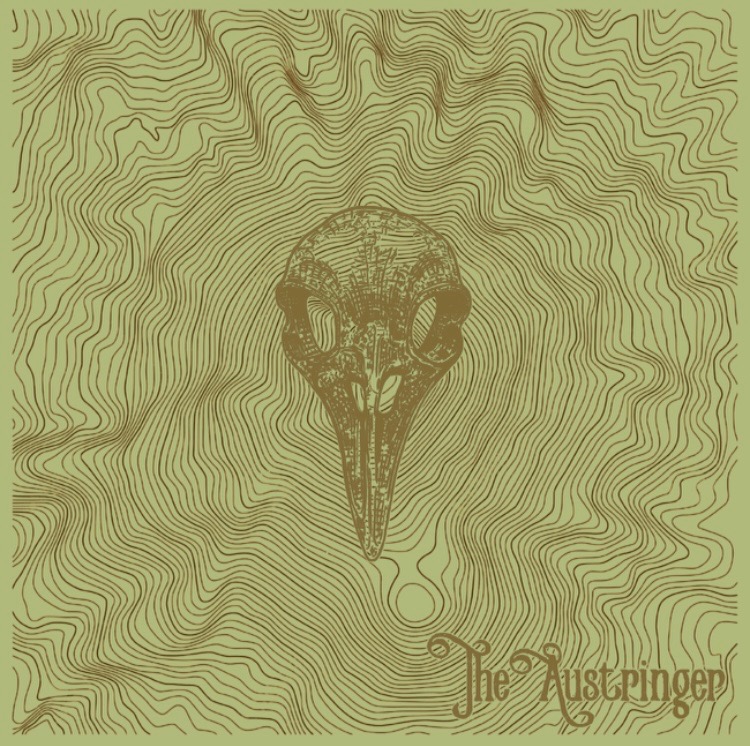
Big question! First off, this is actually the start of a series of albums. It’s an interlinked story between three main characters: The Austringer, The Medium and The Constant, and how their individual lives are affected by the others.
This album follows The Austringer and essentially details the inciting event of the whole story. The setting is a sort of classic fantasy world, where old magic has basically been forgotten and is the stuff of legend. The Austringer meets and forms this immediate bond – connection, even – to a goshawk that leads him around the city he lives in. The Austringer decides to leave and build a life in solitude with the goshawk, Aurora, far away from the city.
He struggles with the effects of modern times, which he sees across nature, and with the feeling that he, along with the hawk, is breaking the sacred Circle of Life by hunting and foraging. He can’t face Aurora’s kills – the imagery is too disturbing.
However, on a hunt one day, Aurora suddenly plummets to the ground. Somehow, The Austringer is made aware that her Gift of Flight – an ability that the Bird Gods bestow on all flying creatures – is no longer hers. Distraught, he decides that he must journey to the mountain of the Bird Gods and talk with them to beg for it back.
This album tells the story of his journey and the conversation he has with them, and sets up the events for the rest of the series.
What was the biggest challenge you faced while making this album, and would you do anything differently if you were to start again from scratch?
Basically the entire album, minus a couple of parts, was recorded in my home studio setup. For the most part, this was fantastic. I love recording on my own – I think it’s a very rewarding experience as it gives me the freedom to mess up as much as I want to with little to no pressure and try lots of different things to see what works and what doesn’t. The disadvantage to this is that there are certain things I just can’t do.
The big one is drums. I don’t have space for a kit at home, nor the skill, really, to actually play the parts I write. I spent a large majority of the recording process using the MIDI drums I wrote in on my DAW. I think it would have been a better experience to get these recorded properly a lot earlier, and having more time to work with an actual drummer who could have helped me along in writing the percussion parts. Luckily, I did fid someone who recorded them remotely after I sent him notation, and he was happy to put his own spin on some things, which turned out to be pretty incredible!
I don’t think I’d necessarily do anything different on this album otherwise, but I do know that on the next one I definitely want to get more people in to record parts (be it different instruments or vocals or whatever) just to have a more collaborative feel from the get go. It could be very easy to get a bit inside my own head about it and end up with something a bit impenetrable, perhaps stale even.
What DAW and other equipment do you use, and would you recommend these to others?
I’m a Studio One guy.
I know.
For years, I was spoiled with a copy of Logic Pro because I was a Mac guy through and through. I moved to PC a few years back, and after spending a long while trying to appreciate Pro Tools, I realised it just wasn’t the right DAW for me. Pro Tools is great for capturing things, it’s a great workhorse, but it’s not what I would call a creative DAW – even in things like design language and the way it looks and operates, it feels super stale and there’s no fun there – it’s not pleasing to look at.
Studio One ticks those boxes for me. It feels great to use, the drag-and-drop features are super intuitive and the speed of the workflow means I can get ideas from my head to my ears as quickly as possible. I used it for the vast majority of my time doing my music production degree, much to the chagrin of my lecturers!
Would I recommend it to others? Absolutely. But I think it’s important to try a few different things, too. Everyone’s workflow is different, and finding what works best for you is more important than following industry standards, in my opinion.
My other gear is fairly un-special, really! I play a Tanglewood acoustic mostly, with a few takes done by an old Aria guitar that I got when I was about 12, which I have used to write most of my music. The electric guitar was done with a mixture of a Line 6 amp/cab modeller and software, and my main vocal mic was an sE 2200T. I did a big mic shootout in my second year at uni with all the crazy expensive and diverse mics they have there – this one sounded the best with the way that I sing, so I picked one up and I’m super happy with it.
That’s the thing with gear, though, I think it’s worth spending time trying a bunch of different things and finding out what’s best for you specifically. It’s hard for me to recommend gear in that way!
Do you have a personal favourite track from the album, and if so, which is it and why?
This is a really tough one. I have a lot of favourite moments from the whole thing; there is a bunch of foreshadowing that I probably shouldn’t talk about just yet, but you’ll know what I’m talking about when the next album comes out. There are some very subtle parts in there that I’m really excited to see people react to when they come together.
I think my favourite track overall, though, is ‘An Imminent Haunt’. I love progressive rock and I’m a huge fan of long, epic songs with a thousand different moving parts, and I’m so happy to have made something that I would absolutely love to listen to. The way it changes fluidly feels great to me. I’m an absolute sucker for a time-signature change and general ‘progginess’, and I think I did a pretty good job of including some incredibly challenging but satisfying moments in there.
A cool little fact: the music in the third section of the song is one of the first pieces of original music that I ever wrote and recorded – over a decade ago – using the 3.5mm headphone jack of my atrocious guitar amp into the mic line on my ancient (even then) MacBook Pro. Like, before MacBooks looked cool. It was recorded awfully and I had no idea how to even capture sounds properly, let alone mix anything, but as a piece of music it’s still really cool.
A few of my friends at the time really liked it and sent me videos of them chilling out to it, which was huge for me. It was super life-affirming; it made me think, “Oh, I can do this? I can make my own music and people like it?” I really wanted to immortalise that song and therefore that feeling on this album, and now it makes me smile every time I hear it.
Read the first chapter of The Austringer’s story on his website.
The first single from the album, ‘Canción De La Guacamaya’, will be available on all major platforms on 28 July 2023. The album will be available in late summer 2023.