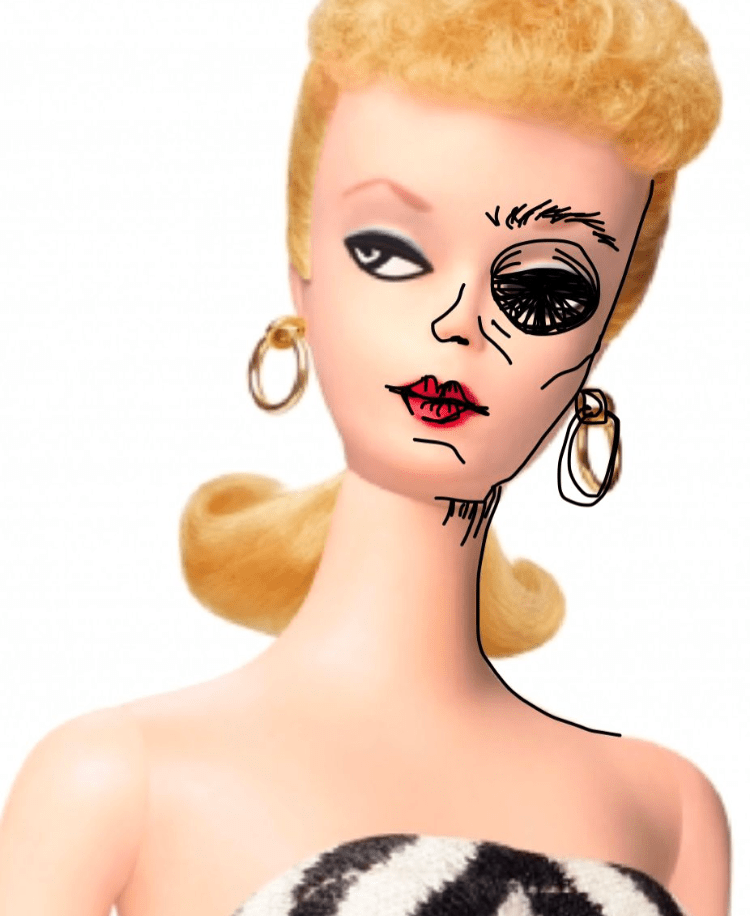
Last week writer and director Greta Gerwig presented the world with a movie so delectable it seemed good enough to eat. Gerwig, as well as production designer Sarah Greenwood, curated ‘Barbieland’ using a wide variety of pinks, where even the colour white exists only as a very pale pink. The beauty of Barbieland therefore starkly contrasted to the ‘Real World’, which was jarring both visually and emotionally.
What Gerwig achieved so beautifully with this film was the ability to utilise the power of perspective. Walking through the Real World in Barbie’s shoes was a disturbing reminder of how it feels to be woman in the modern day.
For the first time, Barbie experiences being ogled at and points out the “undertones of violence”. That being said, by the end of the movie, Barbie is also capable of empathising with Ken and his life in her shadow. The story ends on a satisfactory note, suggesting that all the characters hope that one day they can share the roles and responsibilities of their world equally.
Marketing Barbie
The marketing for this film alone has been immense. Barbie is seemingly branded on every bus, toyshop and makeup brand. You can even stay in a Barbie Dreamhouse through Airbnb.
Seeing audiences play dress-up for a cinema trip is really heartwarming. Hardcore cinema-goers doing the ‘Barbenheimer’ double feature is also really encouraging to see, particularly given the loss cinemas experienced during the pandemic. The shameless yet smart plugging of this film adds an element of surprise when audiences discover the emotional subject matter of the film.
A first in cinema
Barbie is undoubtably the first of its kind. Though the musical numbers may alike the film to classic sound stage musicals such as the Wizard of Oz, the experimental techniques make it completely unique.
Intermittent and surreal ad breaks were the perfect touch to break the fourth wall, and the narrator’s interruptions remind the audience that this world has no rules. The architectural impracticalities of Barbie’s dreamhouse was accentuated and used for comedic effect, with the characters floating from their bedrooms down to their kitchen floors. The use of decal stickers for the oven and certain items in the fridge put an emphasis on the “authentically artificial” nostalgic look Gerwig was aiming to achieve.
Applauding performance
I imagine the making of the film felt somewhat like a trust fall for the actors. But the execution of comedy was perfect. Ryan Gosling is credited as one of the writers, and it’s not surprising given his hilarious one-liners that will no doubt stick around in internet lingo.
When I found out patriarchy wasn’t about horses I lost interest anyway.
Ken
Michael Cera embodied the innocent awkwardness of Allan with so much ease that you can’t help but love him.
Margot Robbie, both leading actress and a producer of this film, represented women wonderfully. Barbie’s ‘call to action’ throughout this story was always centred around bettering the female relationships in her life, which I feel is a great message for young girls globally.
To rate it out of 10…
9.5/10
The only drawback, for me, was that the film occasionally felt like a pop culture explosion in places where it may have instead benefitted from exploring further character development, particularly from actors such as Emma Mackey or Ncuti Gatwa.