Ray Leach
With the recent resurgence of AI photography sweeping across the wide plains of the Internet, questions about the dangers that they pose are also resurfacing. Not only do they feed into ideas around perfection (which is inherently unattainable) and cause subsequent problems around self-image, they also contribute to starving the human artist. But, despite these various threats, not all is lost.
Resurgence of AI selfies
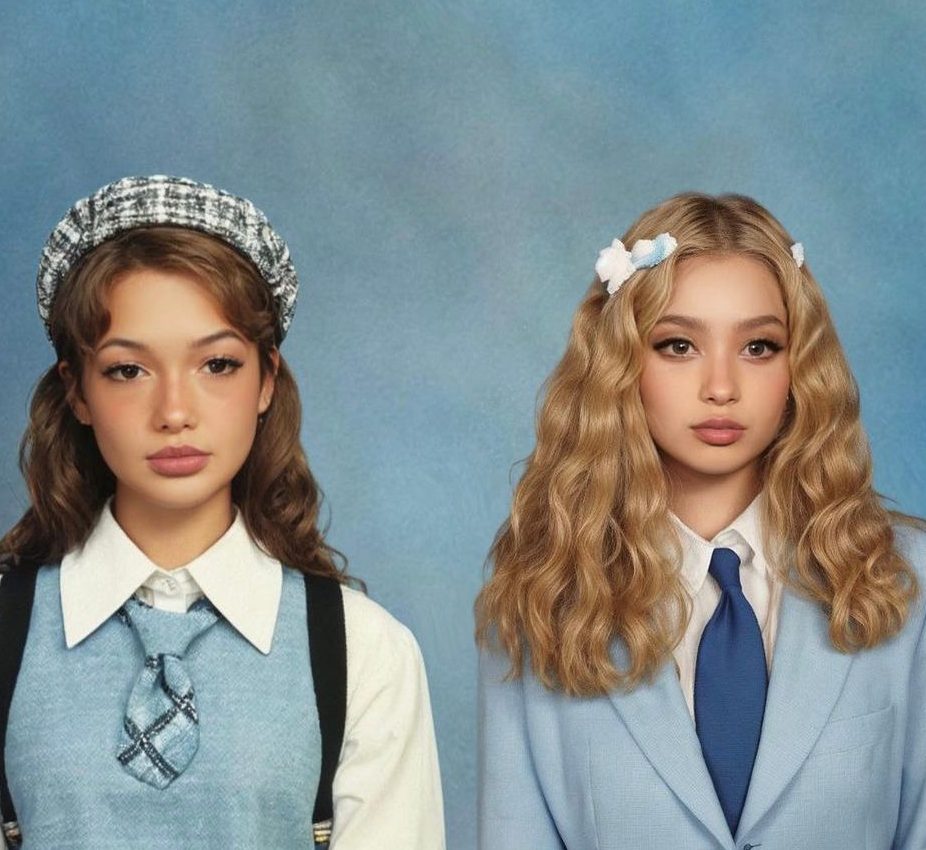
After the flurry of excitement last December when app Lensa became popular, we are seeing a resurgence of AI-generated portraits that vaguely resemble school photos. The enjoyment seems to stem from their unrealistic nature, with many people finding the ‘glamorous’ versions of themselves very funny.
Full transparency – I paid for multiple portraits of myself and my family last year using Lensa to stir up some interest around our Christmas cards. Curiosity got the better of me and let’s face it, seeing yourself reimagined as a gorgeous airbrushed muse is wild.
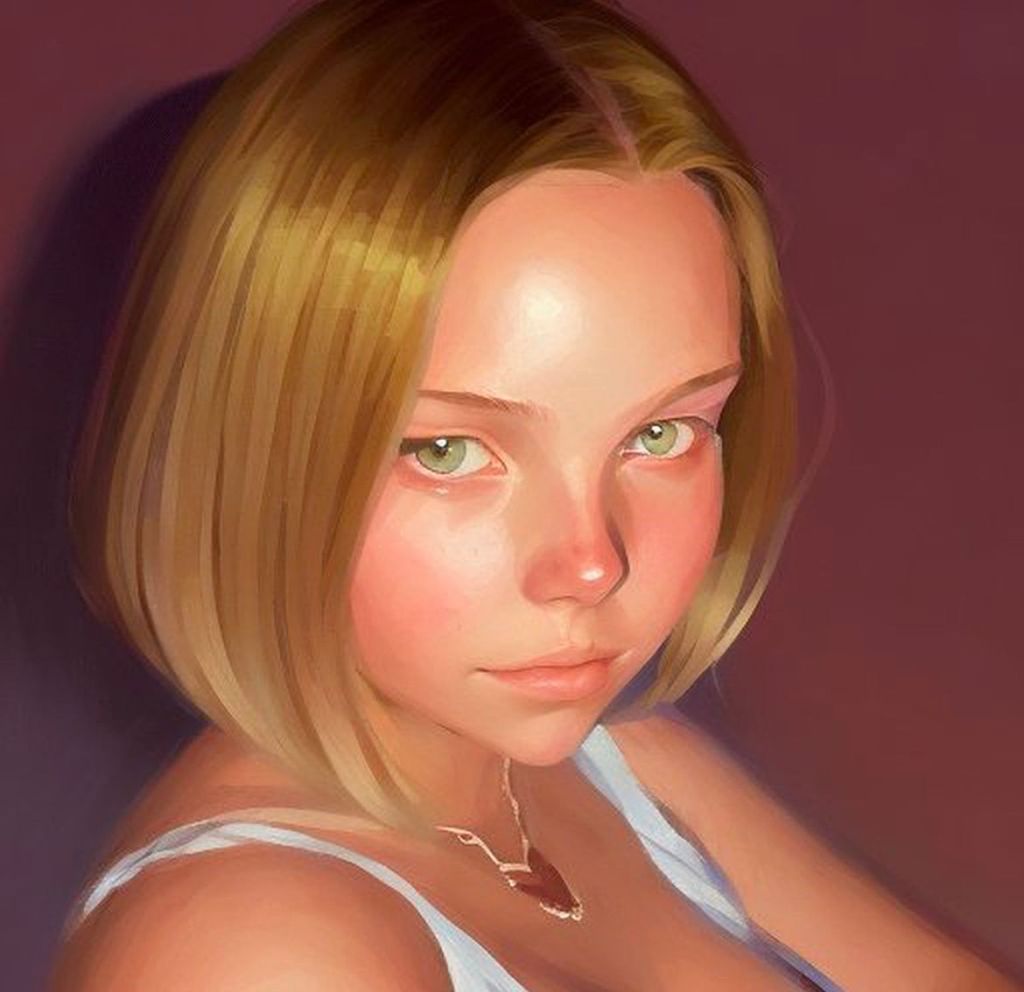
Understandably, the interest in AI-generated portraits has emerged once again with the app EPIK. Should we expect this annual rediscovery to continue? It does seem that trends seesaw back and forth as we forget and regain interest in these seemingly simple pleasures.
Distortion of self image
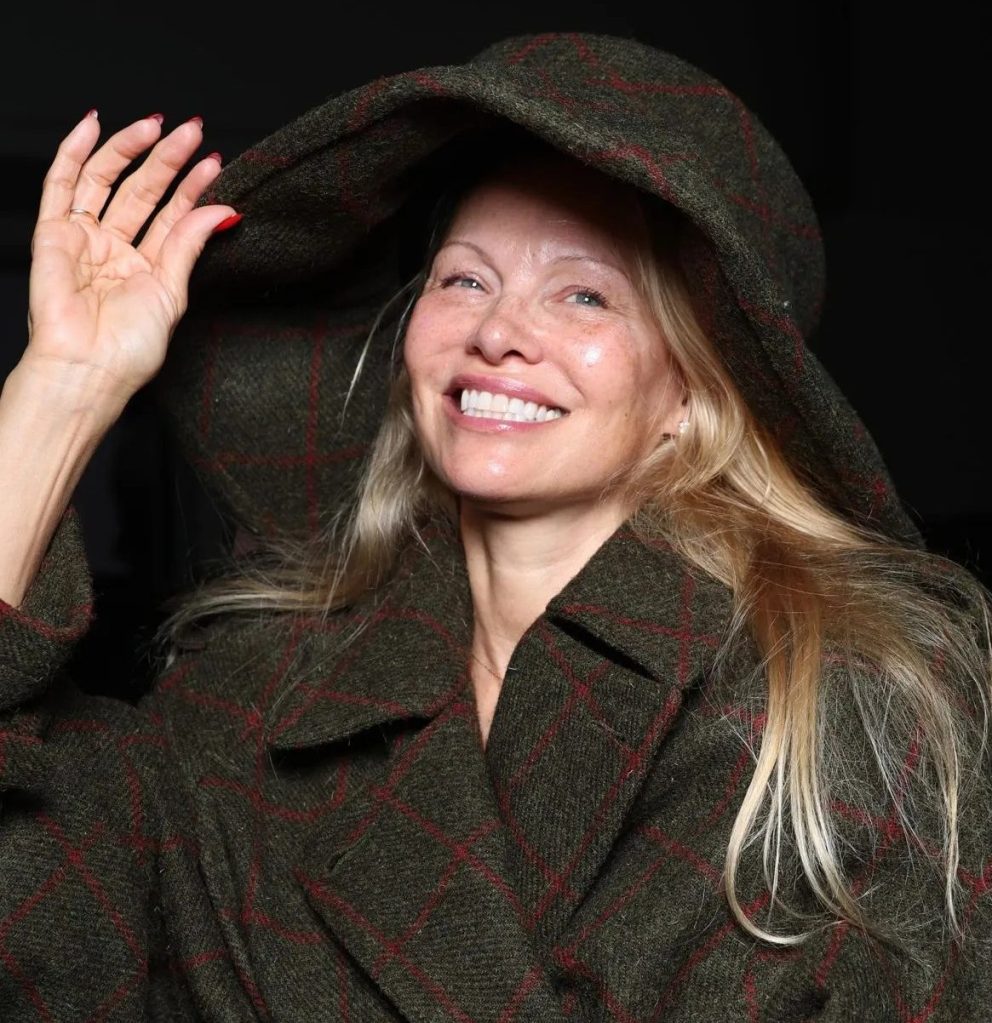
The perception of perfection is ever evolving. It has been a relief to see a gradual move towards natural beauty over the past few years. Particularly when we see iconic stunts such as Pamela Anderson recently braving Paris Fashion Week makeup free as praised by Jamie Lee Curtis, perhaps this is the start of the beauty industry embracing the signs of aging.
My issue with these apps is that the effects of fake selfies can’t be as simple as we assume. Surely seeing ourselves as ‘perfect’ avatars is having a deeper impact on our psyches. For me, there’s an underlying competitive nature to it, as we compare ourselves to others and ask ourselves whose AI portraits have come out better than ours.
The whole operation is flawless… people will pay to see themselves look beautiful without having to do anything at all.
Although people do seem to be using the apps lightheartedly, I can’t ignore the unrealistic standards that these pictures are setting, and how this might be a setback for those who have worked really hard to love their natural quirks. The more we consume airbrushed imagery, the less inclined we are to accept lines, wrinkles, lumps and bumps.
Threats to artists
The last message I want to put out there is the threat these devices have to artists. Each time we use AI apps (free or not) to generate art or writing, we are feeding the beast and starving the artist. Not only are we neglecting our own artistic potential and letting our creative muscle lapse, we are taking away from other artists’ real and hard work.
The rate at which AI is improving is mind-blowing. Even comparing my Lensa portrait from 2022 to images we are seeing this year is shocking.
It is difficult and scary to imagine how we as humans could ever keep up with such an untameable machine. In a small attempt to nurture and maintain human creativity, I want to try and buy more art from smaller artists as time goes on.
A hopeful future
To draw this subject to a close, I do want to point out that we should be able to harness nearly any tool for the sake of creativity. Perhaps these AI selfies are inspiring new ideas for some. I don’t doubt that something positive can come of these apps, I just hope that we can find a balance that feels healthy rather than becoming consumed further by the technological black hole to a point of no return.