Oscar Lund
Like the story of the Phoenix, the bird from the ashes. ZamRock has resurrected from its decades of slumber.
‘A message from WITCH’
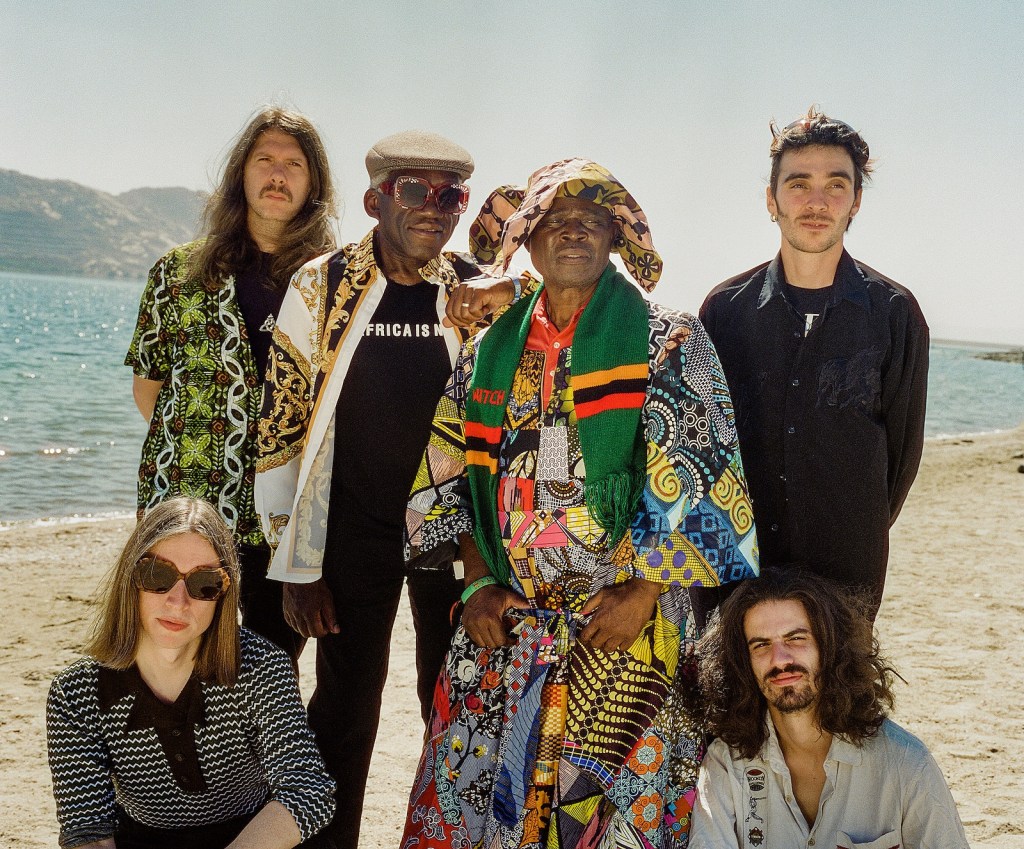
For many in the Western world, the term ‘ZamRock’ is an unfamiliar one. However, the legacy of Zambia’s home-grown rock scene is enjoying a second wave of popularity. The resurgence of ZamRock has never been stronger, with Emanuel ‘Jagari’ Chanda once again taking the reins of his long-dormant band WITCH. This genre-defining Zambian rock band has made a return with its first album since 1984, Zango.
The birth of ZamRock
The southern Copperbelt African nation of Zambia was, until 1964, called North Rhodesia and was under British white minority rule. The British exploited the country for its metal-rich land and forced the native population into the mines for little in return. By the end of the World War II, North Rhodesia’s workers and miners fully understood the value of their work; labour movements swept across the country and pressured colonial leadership into an election in 1962. By 1964, those elected by the Zambian people drew a new constitution and seceded from Federation of Rhodesia and Nyasaland. The Republic of Zambia was born, free from British imperialism; the fledgling republic focused upon the tenet of economic self-sufficiency.
Eight years later, WITCH would take the idea of self-determination into the music realm, releasing the first commercial record that the country had seen with its first track appropriately named ‘Introduction’.
ZamRock’s heyday
Culturally isolated by its colonial neighbours, Zambian artists tuned into international radio stations for their musical inspiration. Speaking to the RedBull Music Academy in 2011, WITCH frontman Chanda said that he and his bandmates tuned into a Marrakesh radio station that played the charts from Europe and the United States. Inspired by the likes of the Rolling Stones, Jimi Hendrix and The Beatles, the members of WITCH aimed to emulate the sound and energy of rock ’n’ roll, infusing the genre with their own local sound.
WITCH’s self-titled debut album featured everything one would typically expect from a Western rock band, from electric and bass guitars to keyboards and drums, all delivered behind Chanda’s accented vocals. While many of the tracks relied heavily on rude guitar riffs, tracks like ‘Home Town’ highlight the band’s wide range of influences and feature keyboard rhythms reminiscent of The Animals’s ‘House of the Rising Sun’.
WITCH’s similarities to Brit-rock bands of the 1970s earned Chanda the nickname ‘Jagger’ after the Rolling Stones’s frontman. Much like the music itself, Chanda took this reference and Africanised it into ‘Jagari’. In the following decade, the genre exploded in popularity. WITCH and other ZamRock artists, such as Rikki Ililonga and Paul Ngozi, embodied the spirit of cultural decolonisation. While Zambia has a rich and varied musical industry that spans across its 72 different ethnic groups and 70 distinct dialects, WITCH was the first to press this legacy onto vinyl. Speaking in 2011, Chanda outlined the national pride reflected in this home-grown music industry.
[At] that time anything Zambian by Zambians, musically, people were just buying.
Emanuel ‘Jagari’ Chanda speaking in 2011
While WITCH was the most Westernised act in Zambia during the 70s and 80s, bands like Musi-O-Tunya took the genre in a distinctly Zambian direction, choosing to sing in their own local dialect instead of English. Inspired by the British-Ghanian band Osibisa, Musi-O-Tunya saw how the group seamlessly blended British guitar riffs with Ghanian drum rhythms and wanted to achieve a similar effect within the Zambian rock scene. Musi-O-Tunya’s sound differed considerably from that of WITCH, but this diversity spoke to the potential and strength of the grassroots genre.
Economic instability leaves ZamRock in the dust
Although Zambia’s mass nationalisation and economic centralisation after independence brought prosperity to the nation for several years, its African-Socialist leadership began to decline in the mid-1970s due to a fall in global copper prices. This economic instability, combined with the AIDS crisis of the 1980s, spelled the end of ZamRock. With most Zambians struggling to make enough money to eat, few could afford the luxury of a record player and even fewer artists could afford to make a living from their music. Chanda expressed the difficulties that faced artists in Zambia, citing regular blackouts and curfews that, as a result of conflict in its neighbouring states, curbed the nation’s nightlife.
At the same time, Zambian music tastes were shifting away from rock. Disco became increasingly popular – and surpassed it. DJs could play a much wider variety of music at a fraction of the cost. Sustaining a full band with their own instruments and microphones was simply too expensive for venues to support, leaving ZamRock in the dust.
Rising from the ashes
In a 2011 lecture, Chanda expressed a deep sadness at the passing of many of his bandmates and contemporaries from causes including poverty, conflict and disease. However, Chanda said that:
God is just merciful. He has spared my life. I think He has something bigger for me to do in life before I go.
Emanuel ‘Jagari’ Chanda speaking in 2011
Earlier this year, Chanda materialised this sentiment by emerging from his 39-year hiatus to deliver a new WITCH album. Zango, while still influenced by Western rock, embraces its Zambian heritage and includes features from the young and up-and-coming Sampa the Great.
‘Avalanche of Love’ (featuring Sampa the Great) brings together two generations of Zambian artists, both of which have been influenced by the popular Western music of their times. The track features heavy guitar riffs that are accompanied by Sampa the Great’s vocals, which seamlessly transition from melodic singing to fast-paced rapping and are punctuated by a backing of ululation. ‘Avalanche of Love’ perfectly embodies ZamRock while bringing it into the 21st century – drawing together rock, rap and traditional Zambian music into one cohesive track.
The album’s final track, ‘A Message from WITCH’, acknowledges the band’s new direction by celebrating “the new WITCH”, brought forward by the unique work of young Zambian musicians – like Sampa the Great. Residing in Australia, Sampa the Great is a Zambian hip-hop artist who cites American rappers such as Joey Bada$$ and Kendrick Lamar as key musical inspirations. Much like Chanda and other ZamRock pioneers, she takes from the dominant genre of her time and moulds it into something distinctly her own. Speaking in 2019, Sampa spoke about her loss of a “sense of identity” through press coverage as her as predominantly an Australian artist. Her feature on WITCH’s Zango pushes against these narratives as she embraces her cultural roots through ZamRock’s legacy.
The future of Zambian music
Zango signifies a triumphant return for ZamRock, a continuation of a vibrant and unique musical history that expressed the everyday struggles of the Zambian people. The album’s cross-generational journey platforms a wide range of Zambian artists and brings the genre into the modern day. The future of Zambian music looks bright, with Zango resurfacing old legends like Keith Kabwe and spotlighting emerging vocalists like Theresa Ng’ambi. ZamRock is back, and this time, I for one hope it stays.