Ray Leach
In 2013, my hometown hosted a street art trail. It was an unusual event for a town that normally appeared to be stuck in its ways. Even as a young teen, it really stuck with me. We found work by artists like Stik, Thierry Noir, Phlegm and more – and even met a few of them. That was where my fascination with the world of street art began.
The origins of tagging
Signs of human presence have been left on walls since the dawn of man – somewhat harmless messaging, proof of people having passed through. In more recent history, particularly in the 1960s in and around New York, street taggers began to find the thrill and fame in writing their names all over the city. Simplicity and subtlety seemed to be key here, using pens to write in the most basic of ways. Occasionally street tags were stylised, but in general “tagging” should be considered separate from the spray-painted visuals or hand-painted murals we think of when imagining street art. In the 1970s, taggers started getting profiled by journalists, which is when forging came into play. The line blurred between real signatures and fakes.
And so was born the concept of being distinguished in the scene.
Bandits unmasked: the people behind the names
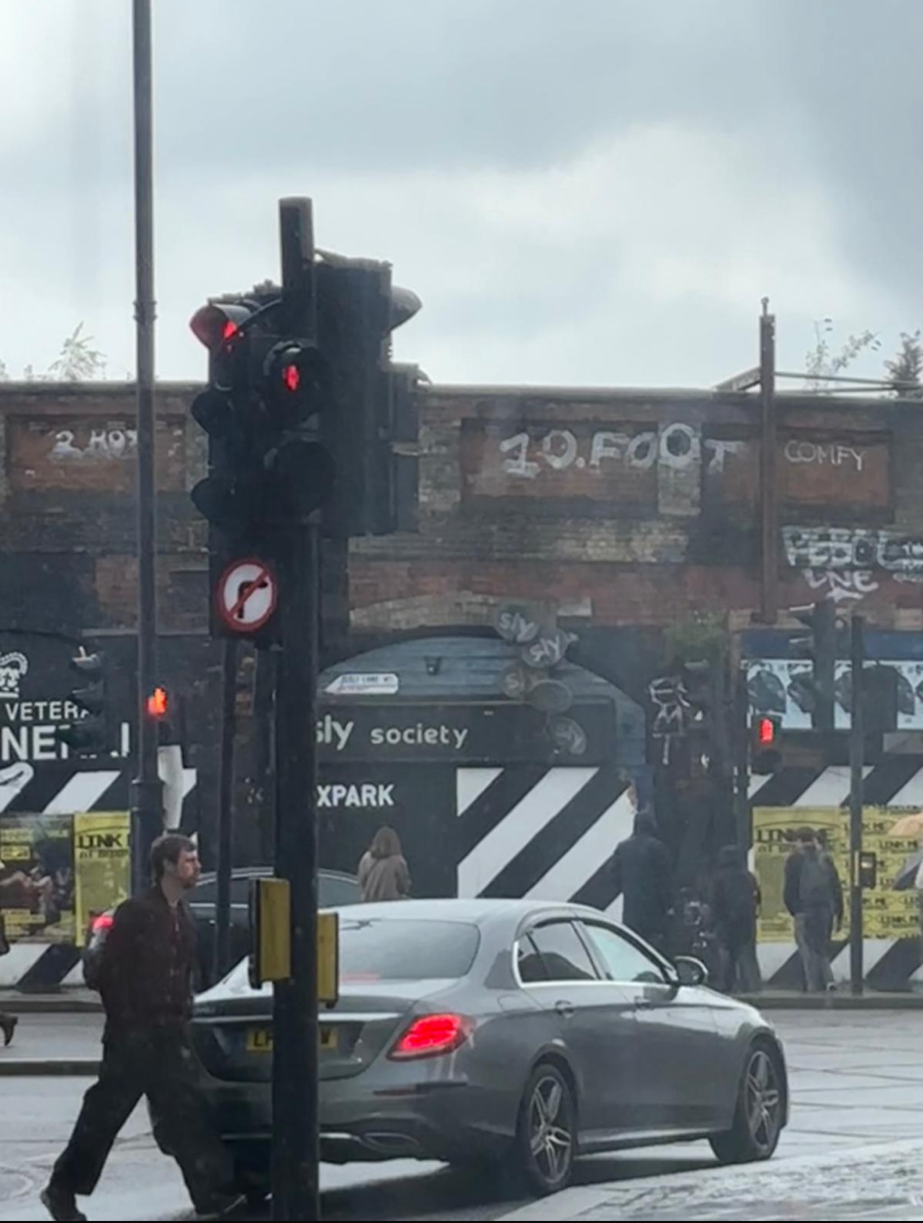
Before the Internet, perhaps the thrill of finding the same tag twice was more potent. In this day and age it’s not difficult to do a quick search and you can unravel a lot of information about whose name you are looking at. A few notorious names have grabbed my attention in the past few years, 10 Foot being the gateway tagger that led me down this rabbit hole in the first place. Upon my research I found that he is actually a lad from the Isle of Wight, who was previously jailed for the hundreds of thousands of pounds’ worth of damage caused. 10 Foot’s work is often in eye-catching places and appears to get mixed reviews.
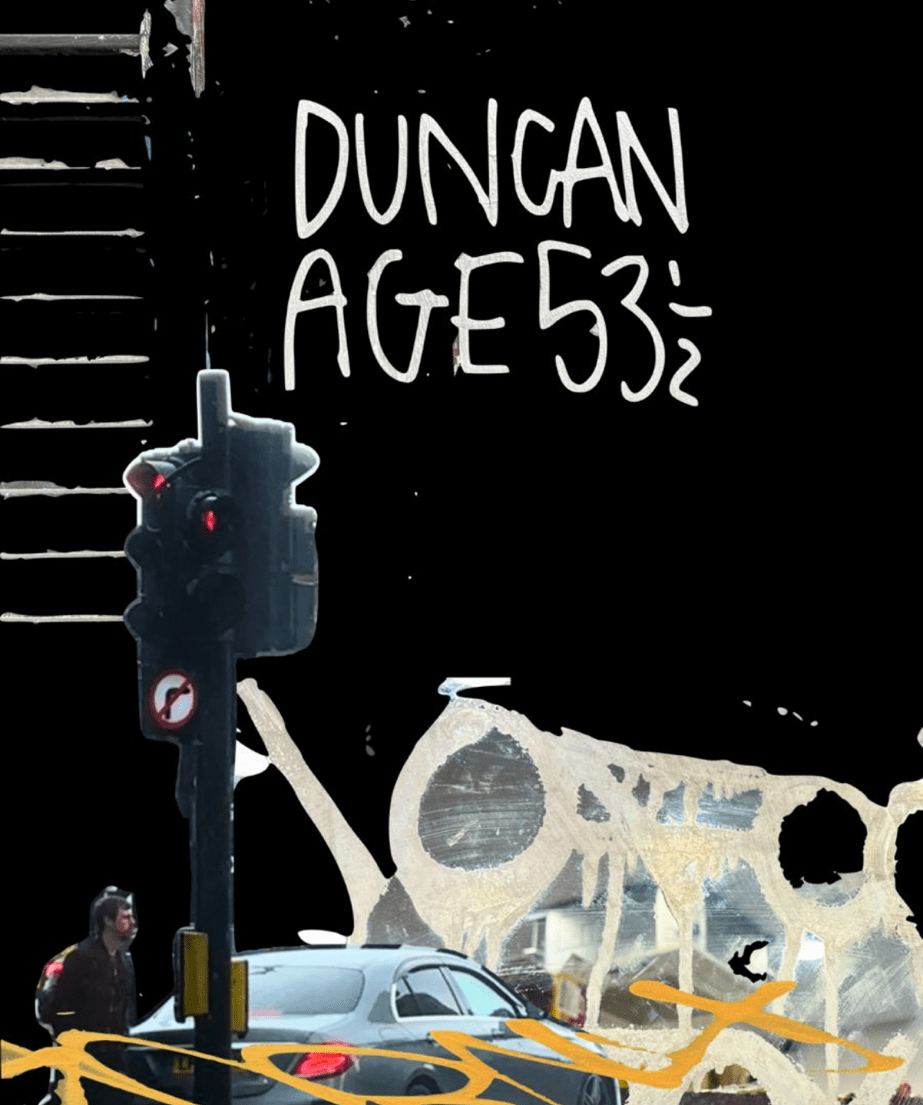
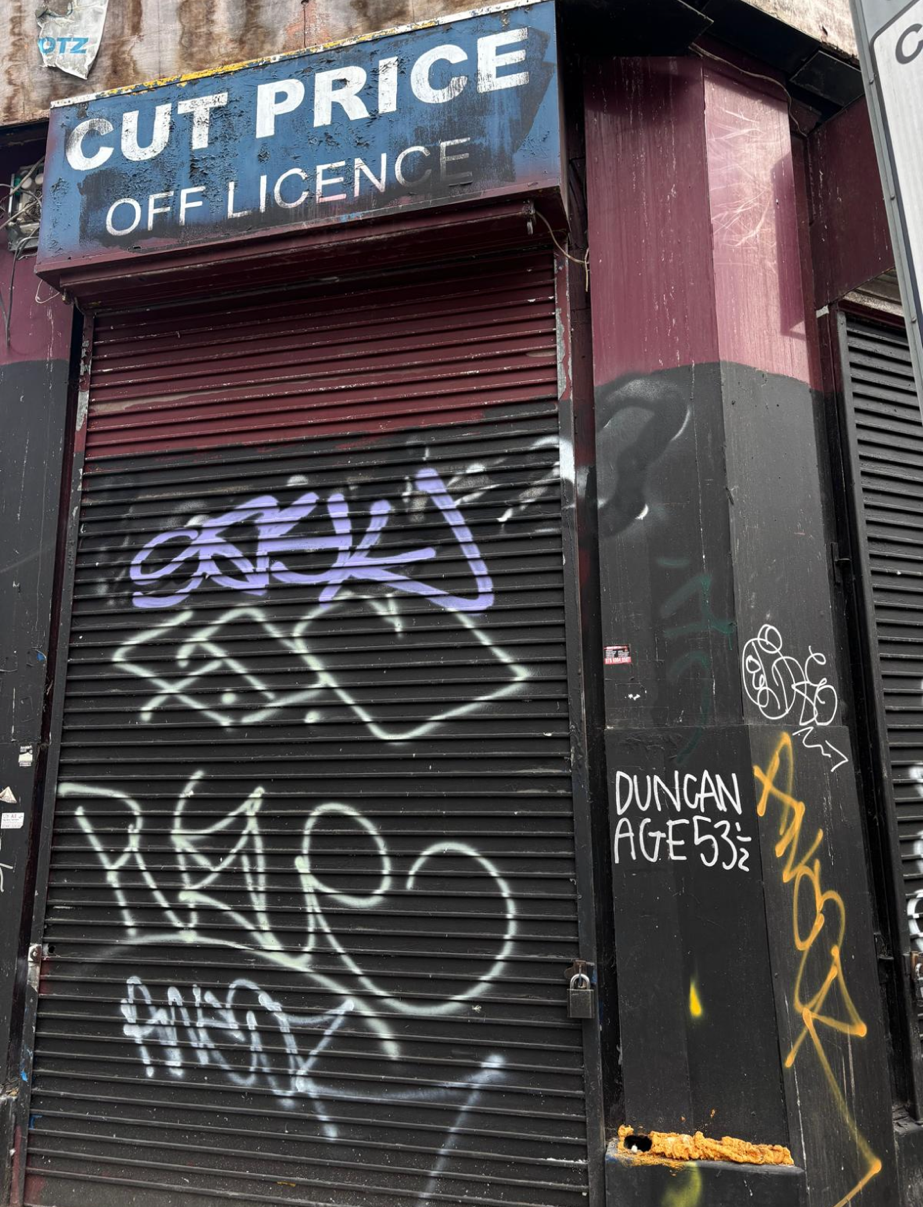
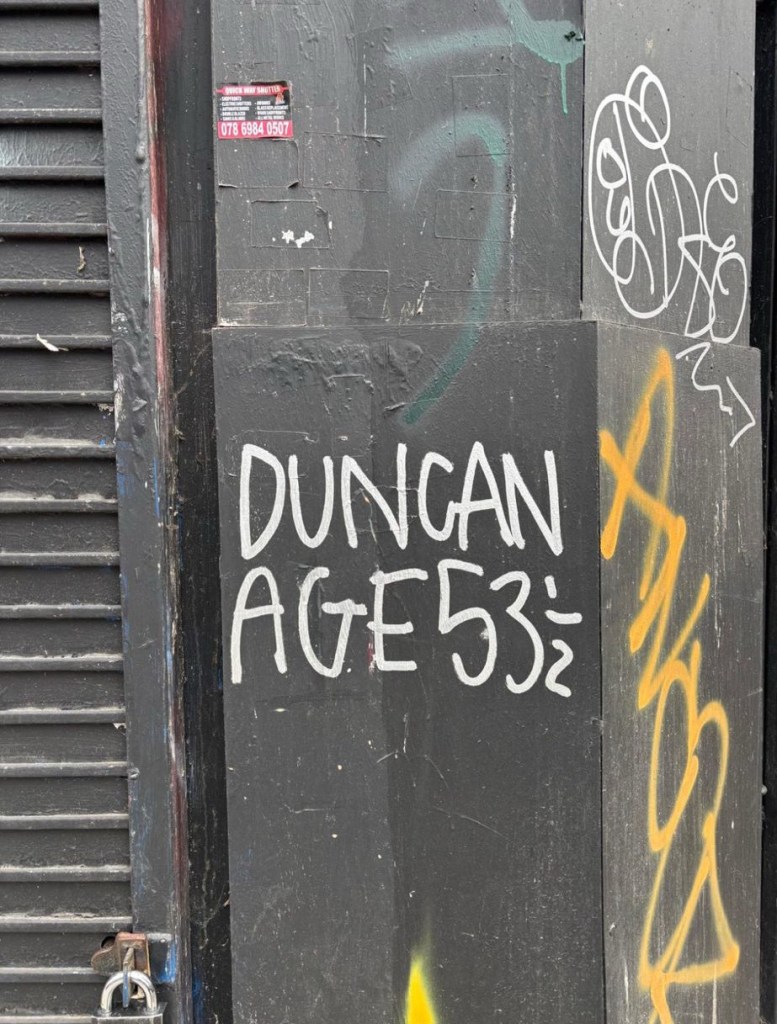
Close to where I live, I found Duncan 53 ½. He is known by day as a contemporary artist called Duncan Weston. Unfortunately his writing was swiftly painted over and I can now only faintly remember where it was.
While researching this topic, I also came across i fart3d in yoga both in real life and online. Disturbingly, this street tagger has been accused of assault among some discourse I found online. Consequently their tag has been scratched over in a few places across east London. It’s difficult to find information about this online, but it does mean I tend to avoid these tags in person.
This opens up an interesting discussion about the separation of art and artist. It could be argued that it’s wrong to idolise anonymous artists when we don’t have any context as to who they are or how they are behaving on the streets. It reminds us that within this world of street tagging, there is a distinct lack of information about the meaning behind the markings and the person making them. Perhaps the anonymity of this art form is reason enough not to explore it too deeply.
Shit-tagging: a deeper meaning behind anti-design messaging
There is some criticism online questioning the purpose of tagging, particularly due to its lack of visual appeal and, of course, the fact that it is a form of vandalism. For me, the lack of design is part of the point. It still catches the eye of the right viewer. The subtlety keeps the art form within its subculture, not stepping into the mainstream. Once brands start catching onto trends, they get chewed up and churned out. For now, street tagging is untouched by commercialism.
Plus, the placement of the tag is part of the act. How did it get there? At what time of day did they do it? Do they have help? You start to picture artists like foxes in the night, hopping across walls and throwing themselves into danger for the love of the cause.
Final words
As I settled into a café to embark on this article, I looked up to see “10 foot” staring back at me, scrawled across some arches over the road. Once you start noticing tags, they become difficult to ignore. Sometimes they are in obvious places like the shutters of a corner shop or on a wall nestled among other graffiti. But other times they crop up in more unexpected spots.
It feels as if the culprit is speaking directly to you. There is a nostalgia in finding a tag often – whether you see it again somewhere else in the world or by walking past the same name every day.
That is, until it gets painted over. Then you are reminded of its impermanence. That the artist might be very far away, and that they may never return.