Sienna Bentley
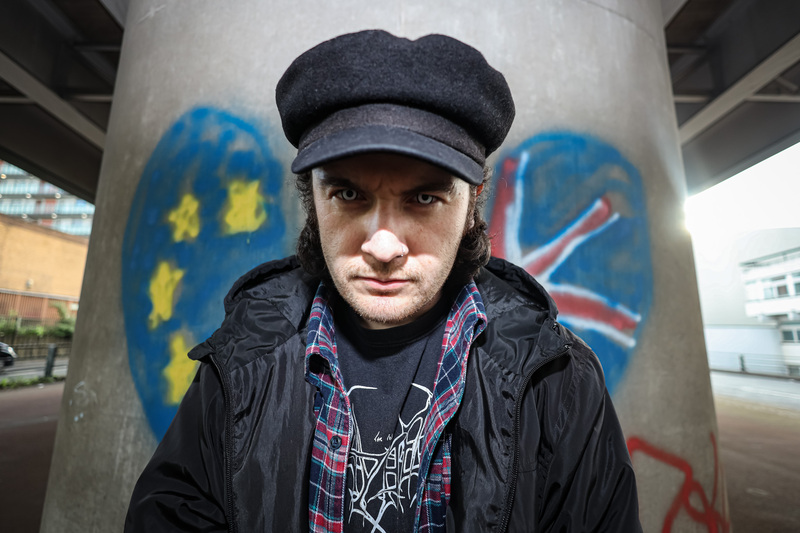
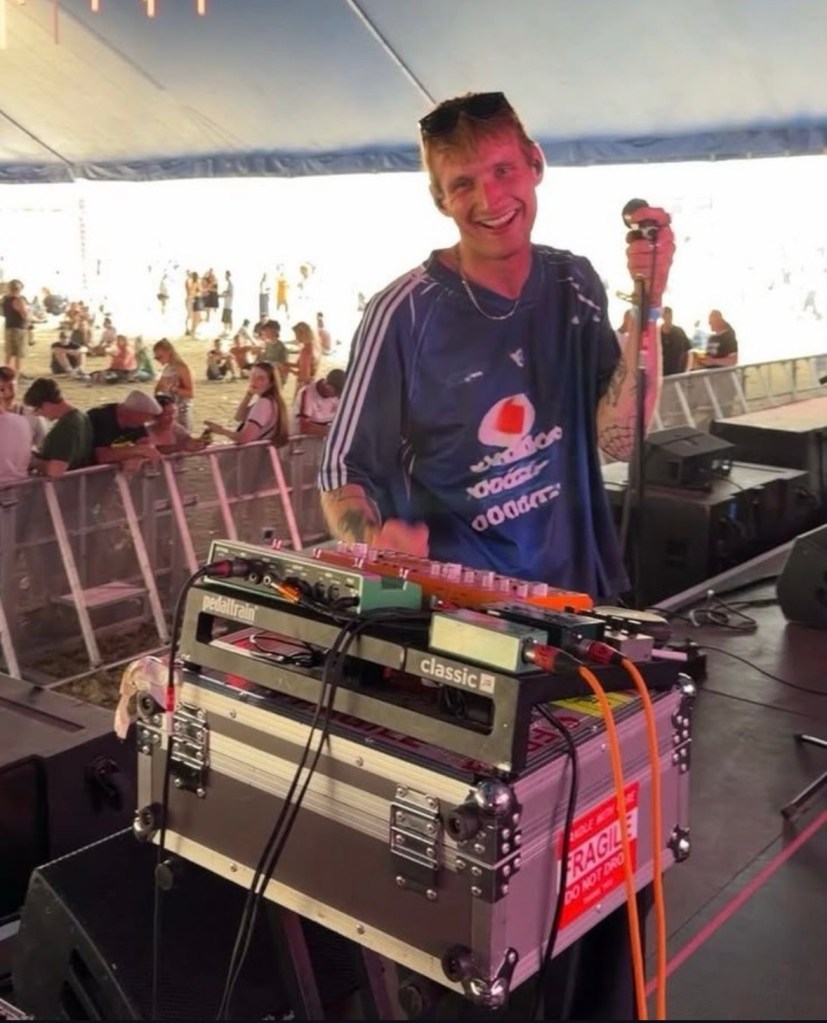
Adult DVD have spent the last few years building a reputation as one of the UK’s most exciting live acts. Blending synth-punk and indie electronic with 90s acid house, the Leeds outfit are doing things differently, but they have built their following the old-fashioned way with relentless touring and a commitment to community that extends far beyond the stage.
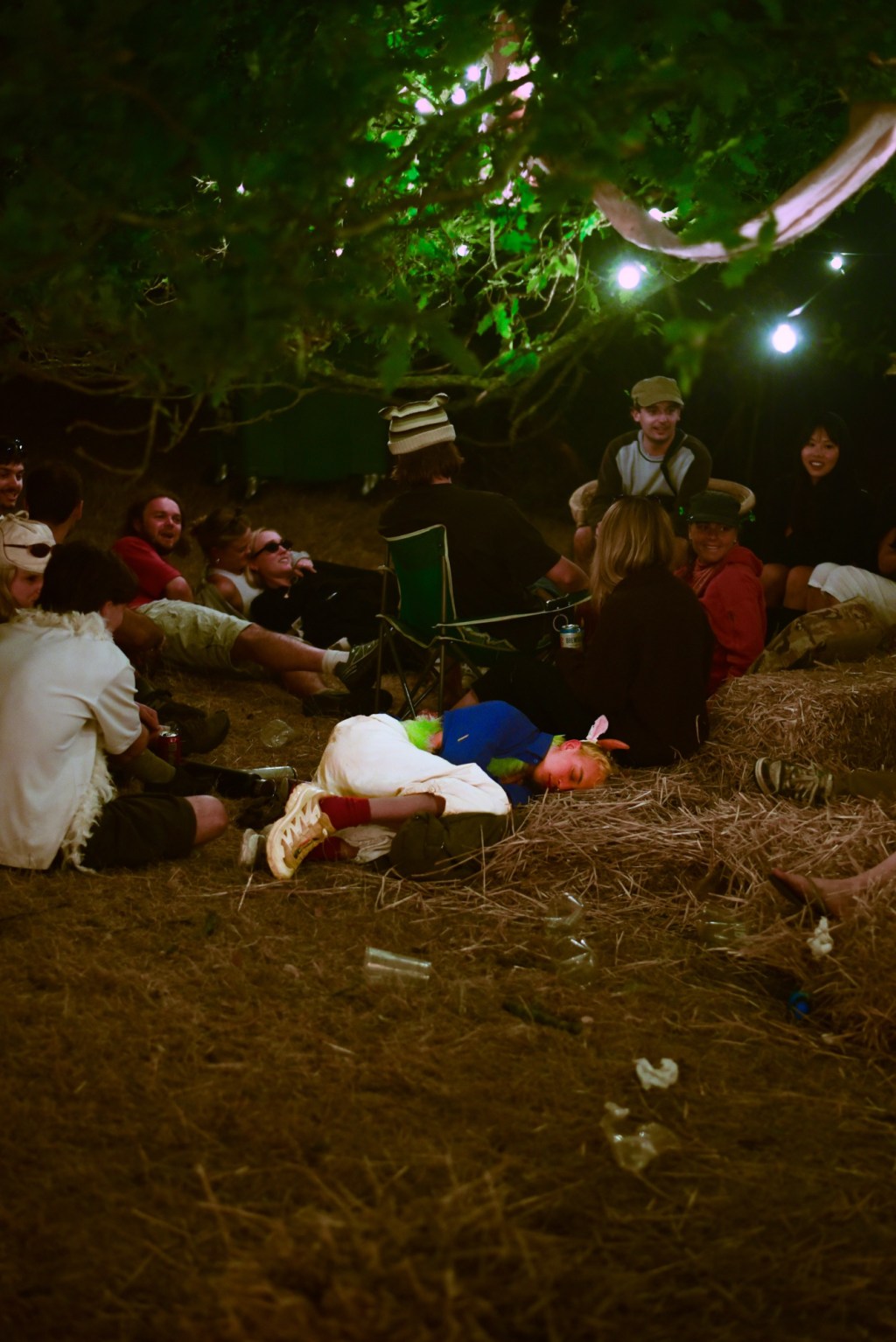
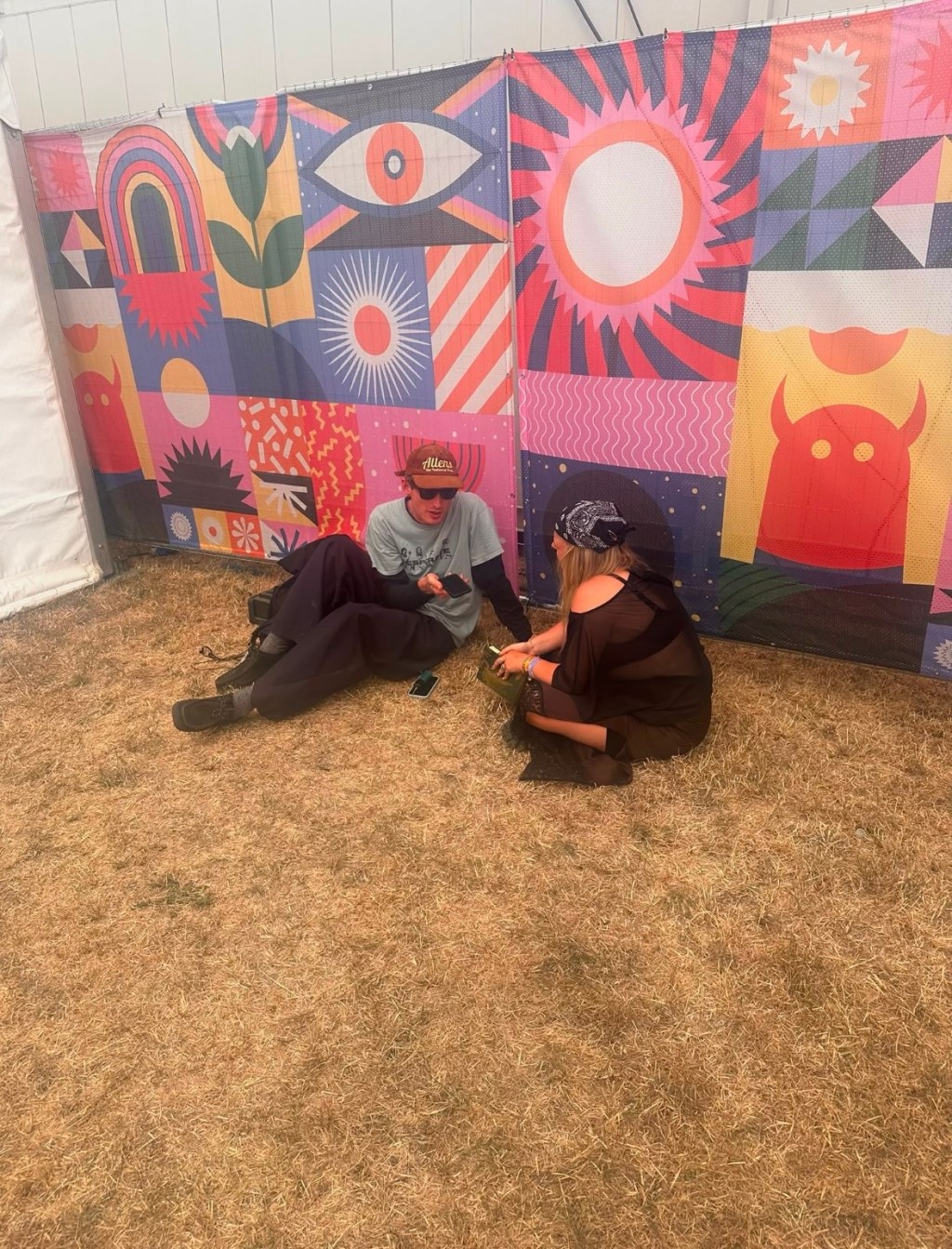
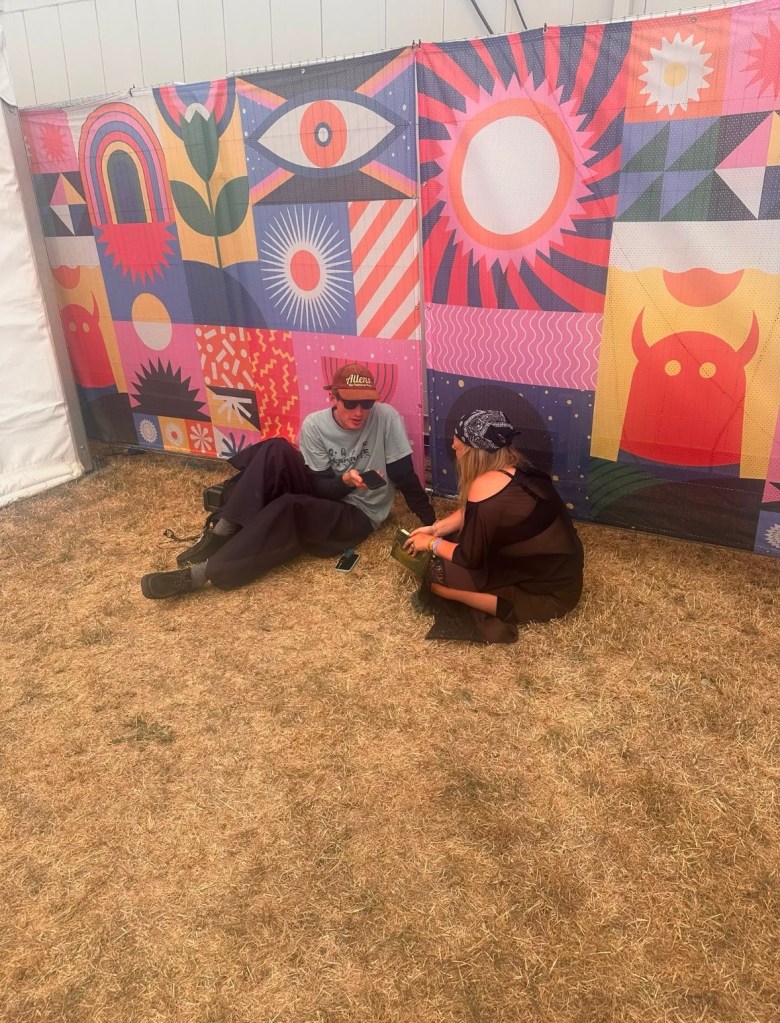
Frontman Harry Hanson and I sat on the ground (literally, see below) at Truck Festival to talk about Leeds as a creative hub and why the disappearance of festival spaces that are dedicated to emerging artists should be a big concern for anyone who cares about the future of live music.
“As of, like, last week we went into doing full-time music,” he says. “Before that, we’d been a band for like five years.” He reflects on the “nightmare” of juggling work and music, the organisational hurdles, having time off. “I was always very distracted at work, wanting to go home and do music or answer band emails at work – it’s always on your mind.”
The best part about it, perhaps which is to be expected, is the live element. “My favourite thing is playing live shows and getting to visit countries or cities that I’d never go to,” he agrees. “Essentially, you’re getting paid to go on holiday, because it still feels like a holiday to us five years in.”
“Our live agents are all for that – they’re super supportive and they’re like, ‘what shows do you want to do?’ and they’re like, ‘go play there’. In terms of labels and stuff, we’re very lucky with the team that we have around us – they’re not just people in suits looking for money, they’re passionate and they’re passionate about letting us do what we want to do. We’re very lucky; I know a lot of bands don’t have that relationship at all.”
Although the concept of the scene appears to be dying – or, rather, moving online – Hanson maintains that community, especially in Leeds where the band hails from, is alive and well. “I’m from Leeds, I’ve never left Leeds, born and bred,” he says. “I am going to leave at some point, but it’s got a great and really supportive music scene – there’s a load of great venues, loads of great bands.” Leeds is “like a bar where all the bands just go and meet, there’s a real community there.” He goes on to describe the range: “it’s tiny in Leeds, so you can go watch a jazz gig and then a techno gig, you can do what you want”.
“The scene is thriving more than ever, I think,” he says. “Online, not so much. If I go on Instagram, I’m just looking at dog videos, you know? I don’t really interact with people that much on it.”
Festivals used to be a microcosm for this, contained creators of community and places to discover new artists. With the proliferation of the digital world, more and more, festivals are becoming a way to confirm what audiences already know. You’ll go to a festival to see your favourite artists headline, and major festivals don’t necessarily take as many risks with their line-ups as they used to.
“The big corporate festivals like Leeds Festival – Leeds and Reading have just got rid of the BBC Introducing stage, which is just an outrage,” he says. “What’s the point? Because all you’re going to do is go watch the Foo Fighters and not find a new band.”
Festivals as culture creators are “a bit of a dying thing”, but he acknowledges that it’s also somewhat of a financial risk for them. “They don’t want to spend money on bands… Well, they’re paying these bands hardly anything anyway, so it won’t make a difference, but 50 quid and four warm beers.”
“I think the little festivals are great,” he points out. “Festivals like Green Man and End of the Road, for the little bands that they’re booking. I found all my new favourite bands through those festivals.”
I asked him to name a few. “At Green Man last year, I watched a band called Truthpaste and it blew my mind. It was like, beaming sun on a Saturday and it was so good.” He also cited The Healing Power of Horses. “It’s a new band that I keep banging on about to everyone. I don’t even know them. It’s kind of getting a bit weird how much I speak about them. I saw them at The Great Escape this year and they were nuts.”
Beyond performing, for artists the festival can play many roles in their career – some consider it a milestone, some an income stream, a networking opportunity for others or sometimes all of the above. For Hanson, it’s about meeting people and building those connections. “There was a funny story about us at SXSW where loads of agents were speaking to our manager and they’re going, like, ‘how is everyone talking to Adult DVD? Everyone says that they’ve met them’. Literally, we’d play the show and then just go out to, like, every bar and just speak to everyone.”
“There are no egos in our band, we’re just like… Well, first of all, we like getting pissed, and second of all, we like meeting people, so it’s kind of a win-win. So, yeah, networking is good. It’s good to meet people.”
Despite all the bleak talk of dying scenes and shrinking opportunities for emerging artists (I should really review my interview questions – “Come and talk to me! Walk away feeling blue!”), Hanson thankfully remains convinced that the heart of music culture beats in the real world of small venues, independent festivals and chance meetings at the bar. And with full-time music finally a reality, Adult DVD are free to spend more time playing shows, meeting people and seeing where the next adventure takes them.