Ray Leach
In 2023, a total of 125 UK grassroots music venues closed, with further closures in the years following. And although the alarming statistics seem to be stabilising, many establishments report a distinct lack of profits and plummeting employment rates. We face an intense domestic crisis driven by the loss of these important third spaces.
This is a subject that Kate Nash famously champions, as seen in her statement to the UK government: “Music should not be exclusive, it’s for all, and it becomes an issue of class, it becomes an issue of race, gender, sexuality and identity, because the doors are closing on who can choose to take that kind of risk.”
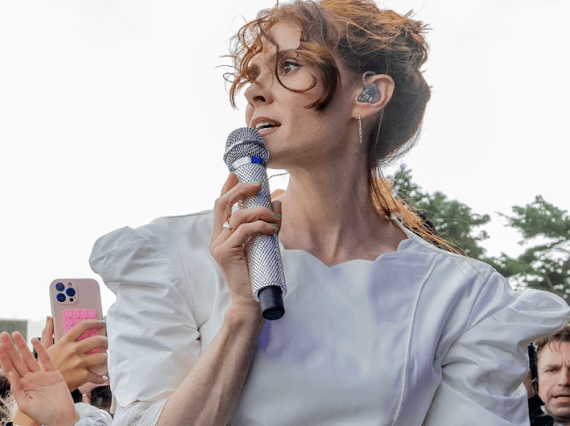
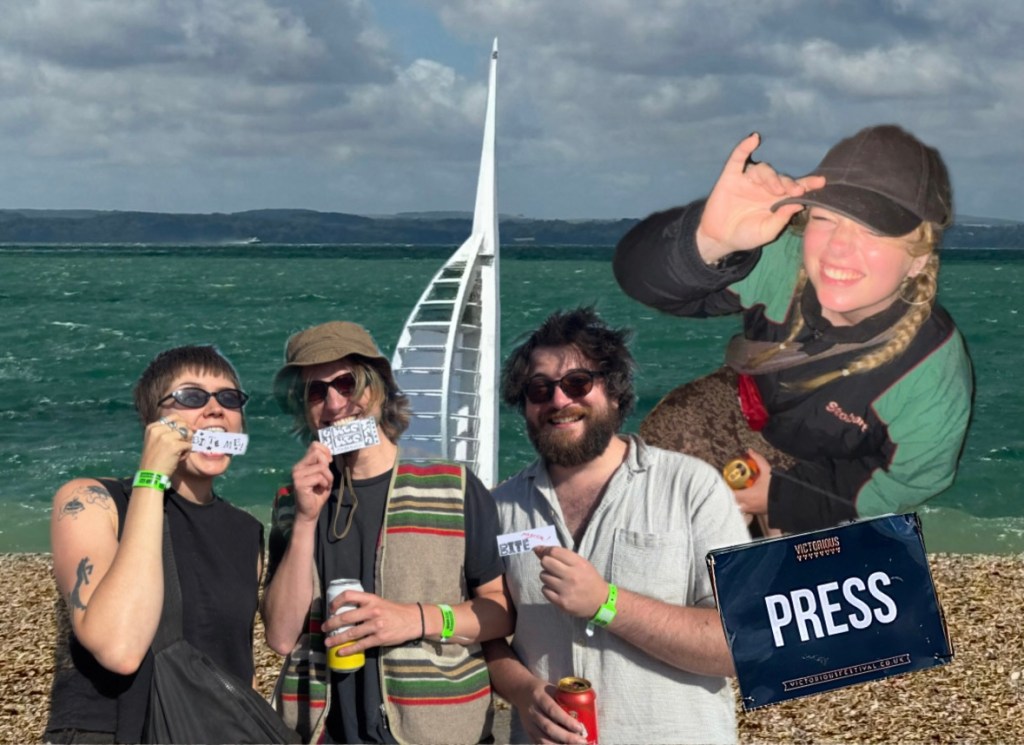
We spoke to Nash before her set at Victorious Festival to explore this topic further.
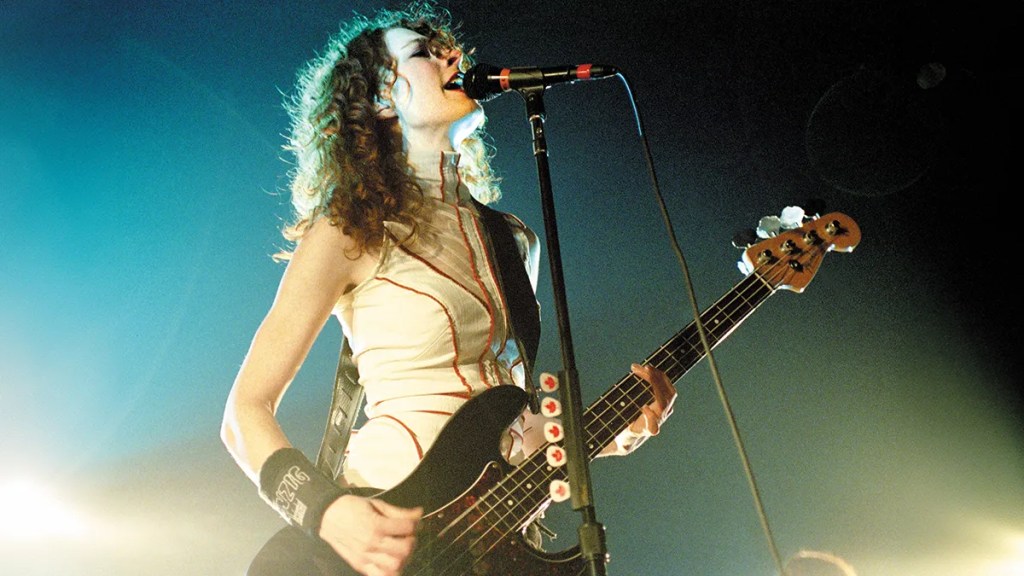
She explains to us that in 2025, she gave evidence to the culture, media and sport select committee in parliament on how post-Brexit rules are affecting performing arts, touring and working in the EU. “We are at risk of losing our reputation and pride in our culture, which will have a knock-on effect on the UK economy,” she states. It’s no surprise from this passion that while Nash dedicates whatever spare time she has to the good fight, her live shows are also going to pack a huge punch. After our interview with her, we watched Nash’s show and absorbed the energy of her set, which included some politically-driven singles followed by a crowd-pleaser finale.
However, it became clear that not all members of the audience were on the same page. There appeared to be more than one disgruntled face as remarks were made about their despair at not dancing to the top hits as expected. This begs the question: to what extent should artists cater to festival audiences?
First let’s dissect an example of classic pop/pop-rock. Fellow Victorious headliner Bastille’s setlist ranged from new and unreleased right the way through to belt-worthy number one hits. The show felt grounded in what was expected, and therefore the audience was left satiated. It didn’t need to be provocative, and perhaps that’s what is appropriate for the environment and the demographic. From where we were standing, the audience seemed to be made up predominantly of younger Gen-Zs. Perhaps they didn’t grow up with the music, but it’s nice to know they would show up in swarms to see the performance.
It’s no secret that Kate Nash is trying to move the dial on rising costs for musicians, keep live music culture breathing and touch on heavy topics of transphobia and sexism within our country. Her music is heavily weighted and for some, that can be jarring at an otherwise upbeat festival. What Nash presented in Portsmouth on 29 August was something quite unique. She used the opportunity to exhibit her latest single ‘Famine’, which is a cover of Sinéad O’Connor’s 1994 original (even bringing out an Irish whistle) – but not before her 2025 single ‘GERM’, a pop-punk anthem that protests against transphobia and exposes the statistical flaws of modern patriarchal society. The poignant and honestly harrowing statistics flash up on the stage’s screen: according to End Violence Against Women, every three days a woman is killed by a man. This song feels like a protest, and a worthy one. Anyone who shies away from such information is a concern to me.
What I saw up on stage, as a fan, was an artist who has long passed an era of seeking approval. It’s clear when an artist’s validation comes from within. From speaking with Nash we established that success, by her own definition, is having creative control over her work. With her trail-blazing career path and an ever-expansive music style ahead, Kate Nash cares most about making her own choices. She goes on to praise her current management team for supporting her in the best way. She also finds joy in scaring the music scene. Particularly men!
To wrap up our empowering discussion, we talked about streaming services and looked ahead to the future. What can be done for emerging artists in today’s landscape? Nash reinforces the need for change. “I don’t have a problem with the concept of streaming, but why do they have to steal from artists?” She says. “It’s corruption. I believe it’s theft.” She understands better than anyone that playing gigs and touring is expensive, but she encourages the live element of it all. “We need to find ways for young artists to be doing shows and building real life communities,” she urges. She also insists that young creators should just try things without the pursuit of perfection nipping at their heels. The experience is all part of the journey, and often the bad results are the most valuable.
Sienna and I were practically applauding by the end of the interview with Kate Nash. It only feels right to round off such an iconic interview with an even more iconic quote from her, swears and all:
“Don’t have a back-up plan. Where you put your energy is where you’re going to receive. Take the risk. Fuck it!”